Wuyi Weier Industry and Trade Co.,ltd.

Why a Rooftop Tent is the Ultimate Solution for Camping Enthusiasts
Jul 03,2026
Why a Rooftop Tent is the Ultimate Solution for Camping Enthusiasts
Table of Contents
Introduction
What is a Rooftop Tent?
Benefits of Rooftop Tents
Elevated Sleeping Experience
Ease of Setup and Takedown
Durability and Weather Resistance
Enhanced Views and Ventilation
Types of Rooftop Tents
Why a Rooftop Tent is the Ultimate Solution for Camping Enthusiasts
Table of Contents
- Introduction
- What is a Rooftop Tent?
- Benefits of Rooftop Tents
- Elevated Sleeping Experience
- Ease of Setup and Takedown
- Durability and Weather Resistance
- Enhanced Views and Ventilation
- Types of Rooftop Tents
- How to Choose the Right Rooftop Tent
- Setting Up Your Rooftop Tent
- Safety Considerations for Rooftop Tents
- Camping Gear to Consider with Rooftop Tents
- Conclusion
- FAQs
Introduction
Camping enthusiasts understand the importance of a good night's sleep in nature. When it comes to choosing the perfect accommodation for your adventures, rooftop tents have emerged as the ultimate solution. **Rooftop tents** offer a blend of comfort, convenience, and versatility that traditional camping gear simply cannot match. In this article, we will delve into the defining features, benefits, and practical considerations surrounding rooftop tents, ensuring you have all the knowledge needed to elevate your camping experience.
What is a Rooftop Tent?
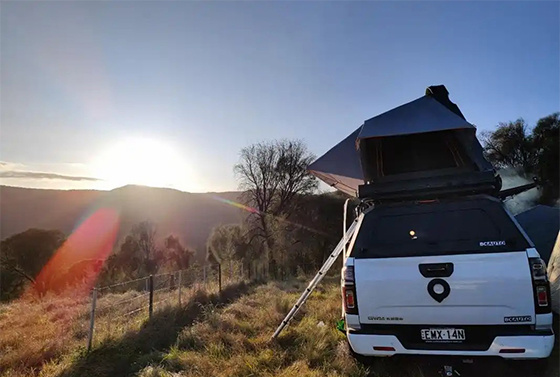
A rooftop tent is a tent that is mounted on the roof rack of a vehicle. This innovative camping solution is designed to provide a comfortable sleeping area above the ground, offering a unique way to experience the great outdoors. Most rooftop tents are designed to be easily set up and taken down, making them ideal for those who enjoy exploring various camping sites.
Rooftop tents typically come equipped with a mattress and are constructed from durable materials, ensuring comfort and protection from the elements. They offer an elevated sleeping arrangement, which can enhance safety, comfort, and convenience when camping in various environments.
Benefits of Rooftop Tents
Rooftop tents have gained popularity among camping enthusiasts for several compelling reasons. Here are some of the significant benefits:
Elevated Sleeping Experience
One of the most significant advantages of rooftop tents is their **elevated sleeping platform**. This elevation keeps you away from potential ground-based hazards such as insects, snakes, and small animals. Additionally, being off the ground allows for increased airflow and ventilation, making for a more comfortable sleeping experience.
Moreover, **elevated sleeping** means you're less likely to encounter dampness from the ground, which is common in traditional tent camping. This aspect not only provides a better night’s sleep but also offers peace of mind during your outdoor adventures.
Ease of Setup and Takedown
Rooftop tents are designed for quick and easy setup. Most models can be fully set up in under 10 minutes, allowing campers to maximize their time enjoying the outdoors rather than wrestling with cumbersome tent poles and complicated instructions. When it’s time to pack up, they can be taken down equally as fast, making them an excellent choice for those on the move.
This **ease of setup and takedown** is particularly advantageous for spontaneous trips or for those who travel frequently to various campsites.
Durability and Weather Resistance
Constructed from high-quality, weather-resistant materials, rooftop tents are built to withstand diverse environmental conditions. Many models offer features such as waterproofing and UV resistance, ensuring that campers remain dry and protected from the sun's rays.
Given their elevated position, rooftop tents also provide better insulation against cold ground temperatures, contributing to a more comfortable sleeping experience in cooler climates. Their robust construction means they can endure wind and rain, making them a reliable choice for any camping enthusiast.
Enhanced Views and Ventilation
One of the joys of camping is immersing oneself in nature, and rooftop tents provide unparalleled views of the surrounding landscape. With a rooftop tent, you can wake up to stunning sunrises or stargaze at night from the comfort of your elevated sleeping area.
Additionally, rooftops often come with multiple windows and vents that facilitate **better airflow**, reducing moisture buildup and keeping the interior cool and comfortable. This design helps create a more enjoyable living environment while camping.
Types of Rooftop Tents
When considering a rooftop tent, it’s essential to know the different types available in the market. Each type has unique features that cater to specific needs.
Softshell Tents
Softshell rooftop tents are typically made from durable fabric and are designed to be lightweight and portable. These tents can be easily deployed and often feature a traditional fold-out design. They are generally more affordable than their hardshell counterparts, making them an attractive option for casual campers.
Softshell tents usually come with a comfortable mattress and can be set up on various vehicle types. However, they may require additional time to set up compared to hardshell models.
Hardshell Tents
Hardshell rooftop tents boast a solid shell made from fiberglass or hard plastic. This design provides additional durability and insulation, making them perfect for extreme weather conditions. Hardshell tents are often quicker to set up, with many models allowing for a simple lift-and-latch operation.
Although they are generally more expensive, the investment may be worth it for serious campers who prioritize durability and convenience. Hardshell tents often feature more spacious interiors, accommodating more gear and providing enhanced comfort.
How to Choose the Right Rooftop Tent
Choosing the right rooftop tent involves considering several factors to ensure it meets your camping needs:
1. **Vehicle Compatibility**: Ensure the tent is compatible with your vehicle's roof rack. Check the weight limit and dimensions.
2. **Capacity**: Determine how many people you'll typically accommodate. Rooftop tents come in a range of sizes to suit solo adventurers or families.
3. **Material and Construction**: Consider whether you prefer a softshell or hardshell tent based on your camping environment and budget.
4. **Ease of Setup**: Evaluate how quickly you want to set up and take down your tent. Hardshell tents typically offer faster setup times.
5. **Budget**: Prices vary significantly between models, so set a budget and stick to it while researching options.
Setting Up Your Rooftop Tent
Setting up a rooftop tent is usually straightforward, but it’s essential to follow specific steps for optimal results:
1. **Park on Level Ground**: Ensure your vehicle is parked on a flat surface to make the setup process easier.
2. **Unlatch the Tent**: Depending on the model, unlatch the tent and fold it out.
3. **Extend the Tent Poles**: If using a softshell tent, extend and secure the poles to create the tent’s frame.
4. **Attach the Rainfly**: If applicable, attach the rainfly for added weather protection.
5. **Check Stability**: Make sure the tent is secure and stable before climbing in.
Always consult the manufacturer’s instructions for specific setup guidelines.
Safety Considerations for Rooftop Tents
While rooftop tents offer numerous advantages, safety should never be overlooked. Here are a few safety tips:
1. **Weight Limits**: Always adhere to the weight limit specified by the tent manufacturer to avoid accidents.
2. **Proper Installation**: Ensure the tent is properly installed on your roof rack to prevent any movement or detachment during use.
3. **Secure Gear**: Keep all gear securely stored inside the tent to avoid accidents and maintain a tidy living space.
4. **Weather Awareness**: Monitor local weather conditions and avoid setting up in high winds or severe storms.
Camping Gear to Consider with Rooftop Tents
To enhance your camping experience, consider bringing along the following gear:
1. **Sleeping Bag and Linens**: Choose comfortable bedding appropriate for the weather conditions.
2. **Portable Lighting**: Invest in LED lights or lanterns to illuminate your tent at night.
3. **Cooking Gear**: A portable stove, utensils, and food supplies will make dining in the outdoors more enjoyable.
4. **Camping Chairs and Tables**: Set up a cozy outdoor living area with foldable chairs and tables.
5. **First Aid Kit**: Always have a basic first aid kit on hand for safety.
Conclusion
Rooftop tents have redefined the camping experience, offering unparalleled comfort, convenience, and versatility for outdoor enthusiasts. With their elevated sleeping arrangements, ease of setup, and enhanced durability, they stand out as the ultimate solution for camping enthusiasts. Whether you’re a weekend warrior or a full-time adventurer, investing in a rooftop tent can significantly enhance your outdoor experiences.
By considering the various types of rooftop tents available, understanding how to choose the right one, and being mindful of safety and gear, you can embark on unforgettable camping trips filled with comfort and inspiration.
FAQs
1. Are rooftop tents suitable for all vehicles?
Yes, most rooftop tents can be adapted for a variety of vehicles. However, it’s crucial to check weight limits and compatibility with your roof rack system.
2. How long does it take to set up a rooftop tent?
Most rooftop tents can be set up in under 10 minutes, depending on the model and your experience.
3. Can I use a rooftop tent in winter?
Yes, many rooftop tents are designed to withstand cold weather. However, ensure you have appropriate insulation and sleeping gear for winter camping.
4. What is the weight limit for rooftop tents?
Weight limits vary by model. Always refer to the manufacturer's specifications to ensure safety.
5. Are rooftop tents waterproof?
Most rooftop tents come with waterproof materials and rainflies. It’s essential to check the specifications to confirm their water resistance capabilities.
TAG:
PREVIOUS:

Contact Us
E-mail :
wyweier99@vip.163.com
Tel:
+86-579-87725103
Address:
Jinyanshan Industrial Area,Quanxi Town,Wuyi, China

Specializing in the design, production of camping equipmensuch as car roof tent, car awning tent, car roof rack and box.
Contact information


