Wuyi Weier Industry and Trade Co.,ltd.

Off-Road Awnings: The Ultimate Protection Against Sun and Rain
Aug 22,2026
Off-Road Awnings: The Ultimate Protection Against Sun and Rain
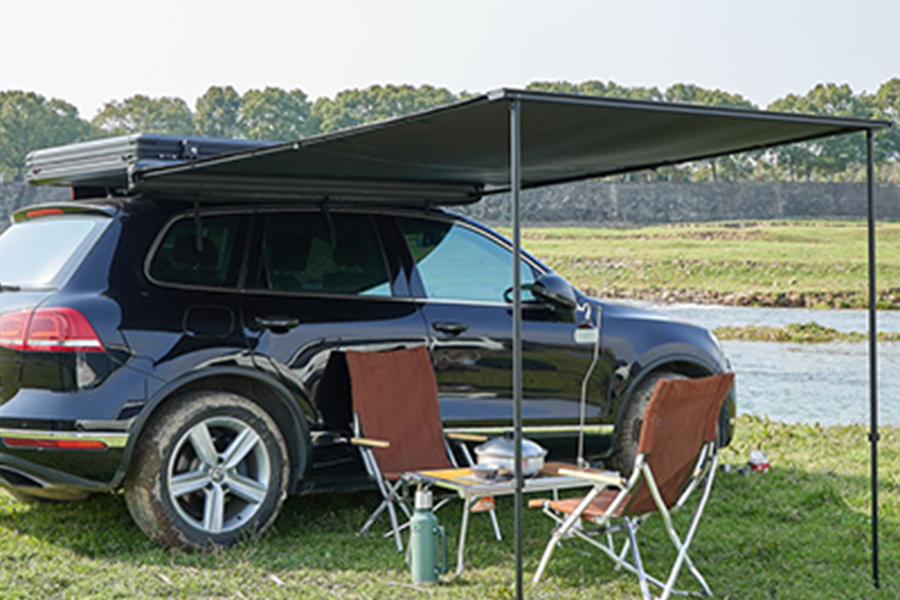
In the world of outdoor adventures, having the right gear can make all the difference. One piece of equipment that has gained immense popularity among campers, overlanders, and outdoor enthusiasts is the off-road awning. **Off-road awnings provide essential protection from both the sun and rain**, making them an indispensable addition
Off-Road Awnings: The Ultimate Protection Against Sun and Rain
In the world of outdoor adventures, having the right gear can make all the difference. One piece of equipment that has gained immense popularity among campers, overlanders, and outdoor enthusiasts is the off-road awning. **Off-road awnings provide essential protection from both the sun and rain**, making them an indispensable addition to any vehicle designed for adventure. This comprehensive guide will delve into the benefits, types, features, and installation of off-road awnings, ensuring that you are well-equipped for your next journey.
Table of Contents
- The Benefits of Using Off-Road Awnings
- Types of Off-Road Awnings: Which One is Right for You?
- Essential Features to Look for in Off-Road Awnings
- How to Properly Install Your Off-Road Awning
- Maintaining Your Off-Road Awning: Tips and Tricks
- Best Practices for Using Off-Road Awnings
- Off-Road Awnings vs. Traditional Tents: A Detailed Comparison
- Conclusion
- Frequently Asked Questions (FAQs)
The Benefits of Using Off-Road Awnings
Off-road awnings offer a multitude of benefits that enhance your outdoor experience significantly. Here are some of the top advantages:
1. Versatile Shelter
Whether you are camping, tailgating, or on a road trip, an **off-road awning provides a versatile shelter**. It can be set up quickly to create a relaxing space away from the sun or rain, allowing you to enjoy your surroundings in comfort.
2. UV Protection
Prolonged exposure to the sun can lead to sunburn and heat exhaustion. Off-road awnings are made from materials that block harmful UV rays, providing a shaded area for you and your family to gather.
3. Rain Coverage
Unexpected downpours can ruin any outdoor adventure. With an off-road awning, you can stay dry while cooking, eating, or simply relaxing. Many awnings are designed to be waterproof, ensuring that you remain protected from rain.
4. Extra Living Space
An awning extends your living area, effectively increasing the usable space around your vehicle. This is particularly valuable for families or groups, providing more room to store gear, set up cooking stations, or enjoy meals together.
5. Easy Setup and Take Down
Most off-road awnings are designed for easy setup and takedown, often featuring a simple fold-out mechanism. This convenience allows you to quickly create your outdoor haven without the hassle of traditional tent setups.
Types of Off-Road Awnings: Which One is Right for You?
When it comes to choosing an off-road awning, various types cater to different needs and preferences. Here are the most common types available:
1. Batwing Awnings
Batwing awnings extend from both sides of your vehicle, offering ample coverage and shade. These are ideal for larger groups or when you need more space for activities. **They are particularly popular among overlanders** who require extensive shelter.
2. Traditional Awnings
Traditional awnings are simpler in design, usually extending straight out from one side of the vehicle. They are easy to set up and work well for individuals or small groups looking for quick shade or rain protection.
3. Rooftop Awnings
Rooftop awnings attach directly to the roof of your vehicle. These awnings are built for durability and are often designed to withstand rough conditions, making them perfect for off-road adventurers.
4. Adjustable Awnings
Some awnings come with adjustable features, allowing you to change the height and angle easily. This flexibility can be beneficial in varying terrain or when you need to avoid obstacles.
Essential Features to Look for in Off-Road Awnings
When investing in an off-road awning, consider the following features to ensure you choose the best option for your needs:
1. Material Quality
Awnings are typically made from materials like ripstop nylon or polyester, which offer durability and resistance to wear. Look for UV-resistant and waterproof fabrics to ensure long-lasting performance.
2. Weight and Portability
Since off-road adventures often require mobility, it's essential to choose an awning that is lightweight and easy to transport. Consider options that include carrying bags or compact designs for convenience.
3. Installation Mechanism
Opt for an awning with a straightforward installation process. Features like a quick-deploying system or a simple mounting process can save you valuable time when setting up camp.
4. Wind Resistance
Check for features that enhance wind resistance, such as reinforced stitching and robust pole systems. A wind-resistant awning will remain stable in adverse weather conditions.
5. Additional Accessories
Some off-road awnings come with additional accessories like side walls, privacy screens, or even mosquito nets. These added features can enhance your outdoor experience by providing extra protection and comfort.
How to Properly Install Your Off-Road Awning
Proper installation of your awning is crucial for optimal performance and safety. Follow these steps to set up your off-road awning effectively:
1. Choose the Right Location
Select a level area free of obstructions such as branches or rocks. Ensure that your vehicle is parked securely and that the ground is stable.
2. Assemble the Components
Unpack your awning and lay out all the components. Familiarize yourself with the parts and check for any missing items before you begin installation.
3. Mount the Awning Brackets
If your awning requires mounting brackets, securely attach them to your vehicle according to the manufacturer's instructions. Use the appropriate tools to ensure a firm fit.
4. Extend the Awning
Slowly pull out the awning following the provided instructions. Ensure that the arm and pole are extended correctly, securing them in place to avoid collapse.
5. Secure the Awning
Use guy lines and stakes to secure the awning firmly to the ground. This step is essential to prevent the awning from being blown away or collapsing during adverse weather.
Maintaining Your Off-Road Awning: Tips and Tricks
To ensure your off-road awning lasts for years, regular maintenance is essential. Here are some tips to keep your awning in optimal condition:
1. Clean After Use
After each use, clean your awning to remove dirt, debris, and moisture. Use a soft brush and mild soap to avoid damaging the fabric, and allow it to dry completely before storing.
2. Store Properly
When not in use, store your awning in a cool, dry place. Avoid folding it while damp to prevent mold and mildew growth, which can deteriorate the fabric over time.
3. Inspect Regularly
Regularly check for any signs of wear, such as frayed edges or damaged poles. Address any issues promptly to prevent further damage and ensure continued functionality.
4. Treat for UV Protection
Consider applying a UV protectant spray to your awning fabric to enhance its resistance to sun damage, extending its lifespan and maintaining its appearance.
5. Use Repair Kits
Keep a repair kit handy for minor damages, such as tears or punctures. Most awning manufacturers offer repair patches and kits that can be easily applied to fix small issues.
Best Practices for Using Off-Road Awnings
Maximize the benefits of your off-road awning by following these best practices:
1. Know Your Weather
Always check the weather forecast before heading out. Understanding potential weather changes can help you prepare and secure your awning accordingly.
2. Position Wisely
Adjust the position of your awning based on the sun’s trajectory. This can help keep you shaded throughout the day and reduce heat buildup under the awning.
3. Use Additional Support in Windy Conditions
In windy conditions, consider using additional stakes or weights for added support. This precaution helps prevent damage and ensures stability during gusts.
4. Create a Comfortable Setup
Add camping chairs, tables, and mats under your awning to create a comfortable space for relaxation or meals. Personalizing your area enhances your overall outdoor experience.
5. Be Mindful of the Environment
When using your awning in natural settings, be respectful of the environment. Avoid damaging vegetation and dispose of any trash responsibly to minimize your impact.
Off-Road Awnings vs. Traditional Tents: A Detailed Comparison
While both off-road awnings and traditional tents serve to provide shelter during outdoor activities, they offer distinct advantages and disadvantages. Here’s how they compare:
1. Setup Time
Off-road awnings typically require less time to set up than traditional tents, which often involve multiple stakes and poles. This quick setup allows for more spontaneous adventures.
2. Space and Ventilation
Awnings provide shade and protection without fully enclosing the space, allowing for better airflow. Traditional tents, while offering complete privacy, can get stuffy without proper ventilation.
3. Weight and Portability
Off-road awnings are generally lighter and easier to transport than traditional tents, making them a preferred choice for overlanders and adventurers seeking mobility.
4. Weather Resistance
Both off-road awnings and traditional tents can offer protection against rain and UV rays. However, tents often have an edge in providing complete shelter during extreme weather conditions.
5. Cost
Traditionally, off-road awnings can be more cost-effective than high-quality tents designed for extreme conditions. However, consider your specific needs and budget before making a decision.
Conclusion
In conclusion, off-road awnings are a fantastic investment for anyone looking to enhance their outdoor experience. With their ability to provide shelter from both sun and rain, they offer versatility and convenience that traditional tents may not match. Whether you are a seasoned camper or a casual weekend warrior, integrating an off-road awning into your gear collection will undoubtedly enrich your adventures. By understanding the benefits, types, and maintenance tips for off-road awnings, you can make a well-informed decision that suits your outdoor lifestyle.
Frequently Asked Questions (FAQs)
1. What is the average lifespan of an off-road awning?
The lifespan of an off-road awning varies based on usage, quality, and maintenance. Generally, a well-cared-for awning can last anywhere from 5 to 10 years.
2. Can I use my off-road awning in strong winds?
While off-road awnings are designed to withstand moderate winds, it is advisable to secure them with extra stakes or take them down in extremely windy conditions to prevent damage.
3. Are off-road awnings waterproof?
Most off-road awnings are made from waterproof materials, but it’s essential to check the product specifications. Regular maintenance can help maintain their waterproof capabilities.
4. How do I clean my off-road awning?
To clean your awning, use a soft brush and mild soap to remove dirt and stains. Rinse thoroughly with water and allow it to dry completely before storing.
5. Do off-road awnings come with a warranty?
Many manufacturers offer warranties for their off-road awnings. It’s best to check the warranty details before purchasing to understand what is covered and for how long.
TAG:

Contact Us
E-mail :
wyweier99@vip.163.com
Tel:
+86-579-87725103
Address:
Jinyanshan Industrial Area,Quanxi Town,Wuyi, China

Specializing in the design, production of camping equipmensuch as car roof tent, car awning tent, car roof rack and box.
Contact information


