Wuyi Weier Industry and Trade Co.,ltd.

Experience Nature Like Never Before with a Rooftop Tent on Your Vehicle
Aug 26,2026
Experience Nature Like Never Before with a Rooftop Tent on Your Vehicle
Table of Contents
Introduction to Rooftop Tents
Benefits of Using a Rooftop Tent
How to Set Up Your Rooftop Tent
Choosing the Right Rooftop Tent for Your Vehicle
Camping Tips with a Rooftop Tent
Top Destinations for Rooftop Tent Camping
Maintaining Your Rooftop Tent
Frequently Asked Questions
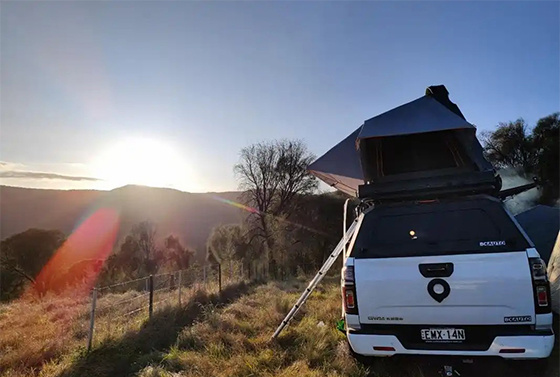
Experience Nature Like Never Before with a Rooftop Tent on Your Vehicle
Table of Contents
- Introduction to Rooftop Tents
- Benefits of Using a Rooftop Tent
- How to Set Up Your Rooftop Tent
- Choosing the Right Rooftop Tent for Your Vehicle
- Camping Tips with a Rooftop Tent
- Top Destinations for Rooftop Tent Camping
- Maintaining Your Rooftop Tent
- Frequently Asked Questions
- Conclusion
Introduction to Rooftop Tents
Rooftop tents have revolutionized the way we connect with nature, offering a unique blend of adventure and comfort. Imagine being able to camp in beautiful locations without the hassle of traditional ground tents. A rooftop tent affixed to your vehicle allows you to sleep elevated off the ground, providing a safer and more comfortable experience. This article delves into the myriad benefits of rooftop tents, how to set them up, and tips for maximizing your camping experience.
Benefits of Using a Rooftop Tent
1. Elevated Comfort and Safety
One of the primary advantages of a rooftop tent is the elevation it provides. Sleeping off the ground helps avoid moisture, insects, and temperature fluctuations that can affect your comfort. This elevation ensures a peaceful night's sleep, allowing you to wake up refreshed and ready for your next adventure.
2. Quick and Easy Setup
Setting up a rooftop tent is a breeze, usually taking just a few minutes. Most rooftop tents feature a fold-out design that allows you to unpack and set up your sleeping area quickly. This convenience is particularly beneficial for spontaneous trips or when arriving at a campsite late in the day.
3. Increased Mobility
With a rooftop tent, your vehicle effectively becomes your home on wheels. This means you can explore various locations without the need to pack and unpack cargo. Whether you're driving through national parks or exploring remote wilderness areas, your tent is always ready for a restful evening.
4. Versatility for Various Terrain
Rooftop tents can be mounted on a range of vehicles, including SUVs, trucks, and even some sedans. This versatility means you can take your camping adventures to places where traditional tents might be less practical, such as rocky or uneven terrain.
5. Weather Resistance
Modern rooftop tents are designed to withstand various weather conditions. Most models feature waterproof materials, strong frames, and durable zippers. This construction ensures that your shelter can handle rain, wind, and even snow, allowing you to camp year-round.
How to Set Up Your Rooftop Tent
1. Preparation
Before setting up your rooftop tent, ensure that your vehicle is parked on a flat, stable surface. This stability is crucial for safety and comfort. Additionally, check the weather conditions to ensure optimal camping and setup experience.
2. Unfolding the Tent
Most rooftop tents open and close with a simple mechanism. Unfasten the straps and release the tent, allowing it to unfold fully. Ensure that all components, including the rainfly and window covers, are properly positioned.
3. Securing the Tent
Once the tent is unfolded, secure it to your vehicle according to the manufacturer's instructions. This usually involves fastening straps or latches that attach the tent to the roof rack. Double-check these connections to ensure your tent is stable.
4. Adding Comfort
After securing the tent, make it cozy with sleeping bags, pillows, and any other items you prefer for a good night's sleep. Consider using a memory foam mattress for added comfort.
Choosing the Right Rooftop Tent for Your Vehicle
1. Consider Your Vehicle Type
Different rooftop tents are compatible with various vehicle types. Ensure that the tent you choose matches your vehicle's roof rack specifications. Check the weight limits and measurements to ensure a proper fit.
2. Assess Your Camping Style
Some rooftop tents are designed for solo travelers, while others can accommodate families. Consider how many people will be using the tent and choose a size that meets your needs.
3. Evaluate Weather Resistance
Look for tents made from high-quality, weather-resistant materials. Features such as waterproof coatings and durable zippers will enhance your camping experience by providing better protection against the elements.
4. Budget Considerations
Rooftop tents come in a range of prices. Set a budget that considers not only the tent itself but also any accessories you may need. Investing in a high-quality tent can enhance your overall camping experience and ensure longevity.
Camping Tips with a Rooftop Tent
1. Choose the Right Campsite
When planning your trip, select campsites that are suitable for rooftop tent use. Look for flat, stable areas that provide easy access to your vehicle. Avoid locations with overhanging branches that could potentially damage your tent.
2. Prepare for Weather Changes
Always check the weather forecast before heading out. Pack additional gear such as tarps or extra blankets to stay comfortable in case of unexpected temperature changes or rain.
3. Keep Your Tent Organized
To maximize space inside your rooftop tent, consider using storage solutions like hanging organizers or small bins. Keeping your gear organized will help you find what you need quickly and prevent clutter.
4. Respect Nature and Leave No Trace
Always adhere to the Leave No Trace principles when camping. This includes properly disposing of waste, minimizing campfire impact, and respecting wildlife. Leave your campsite as you found it for future visitors.
Top Destinations for Rooftop Tent Camping
1. National Parks
U.S. National Parks offer stunning vistas and diverse landscapes, making them ideal for rooftop tent camping. Parks like Yellowstone, Yosemite, and Zion provide numerous campsites with breathtaking views and outdoor activities.
2. Coastal Areas
Camping along the coast allows you to enjoy beautiful sunsets and the sound of crashing waves. Locations like Big Sur in California and the Outer Banks in North Carolina provide excellent opportunities for rooftop tent camping.
3. Mountain Regions
Mountain ranges like the Rockies and the Appalachians offer tranquil camping spots with cooler temperatures and stunning scenery. Many trails and viewpoints are accessible from these areas, providing endless adventure.
4. Desert Landscapes
For those seeking a unique experience, desert camping can provide a stark yet beautiful backdrop. Locations like Joshua Tree National Park and the Mojave Desert offer clear skies and a unique atmosphere.
Maintaining Your Rooftop Tent
1. Regular Cleaning
Keep your rooftop tent clean by regularly wiping down the exterior and interior. Use a gentle soap solution and avoid harsh chemicals that could damage the materials.
2. Inspect for Damage
Periodically check your tent for any signs of wear and tear. Look for frayed seams, damaged zippers, or any issues with the waterproof coating. Addressing these problems early can prolong the life of your tent.
3. Proper Storage
When not in use, store your rooftop tent in a cool, dry place. Ensure it is completely dry before packing it away to prevent mold and mildew growth.
Frequently Asked Questions
1. How do I know if my vehicle can support a rooftop tent?
Check your vehicle's roof rack specifications to ensure it can handle the weight of the rooftop tent. Most manufacturers provide weight limits; make sure to adhere to these guidelines.
2. Can I use a rooftop tent in winter?
Yes, many rooftop tents are designed for cold-weather camping. However, it is crucial to choose a model with adequate insulation and weather resistance for winter conditions.
3. Are rooftop tents easy to set up alone?
While it is generally easier to set up a rooftop tent with assistance, many models can be set up by one person. Practice setting it up at home to become familiar with the process.
4. How do I keep my rooftop tent warm in colder weather?
Consider using a sleeping bag rated for lower temperatures and adding insulating liners or blankets. Additionally, ensure that the tent is appropriately sealed to prevent drafts.
5. What is the average lifespan of a rooftop tent?
With proper care and maintenance, a high-quality rooftop tent can last anywhere from 5 to 10 years or more. Regular inspections and cleaning will help extend its lifespan.
Conclusion
Rooftop tents offer a transformative way to experience the great outdoors, combining the thrill of camping with the comforts of home. By providing elevated sleeping arrangements, quick setup, and enhanced mobility, they are perfect for nature lovers and adventure seekers. Whether you're exploring national parks, coastal areas, or rugged mountain terrains, a rooftop tent allows you to connect with nature like never before. With the right preparation, maintenance, and knowledge about your tent, your outdoor adventures can be both memorable and enjoyable. So gear up, hit the road, and elevate your camping experience with a rooftop tent today!
TAG:

Contact Us
E-mail :
wyweier99@vip.163.com
Tel:
+86-579-87725103
Address:
Jinyanshan Industrial Area,Quanxi Town,Wuyi, China

Specializing in the design, production of camping equipmensuch as car roof tent, car awning tent, car roof rack and box.
Contact information


