Wuyi Weier Industry and Trade Co.,ltd.

Foldable Car Roof Tent: A Game Changer for Outdoor Enthusiasts
Sep 25,2026
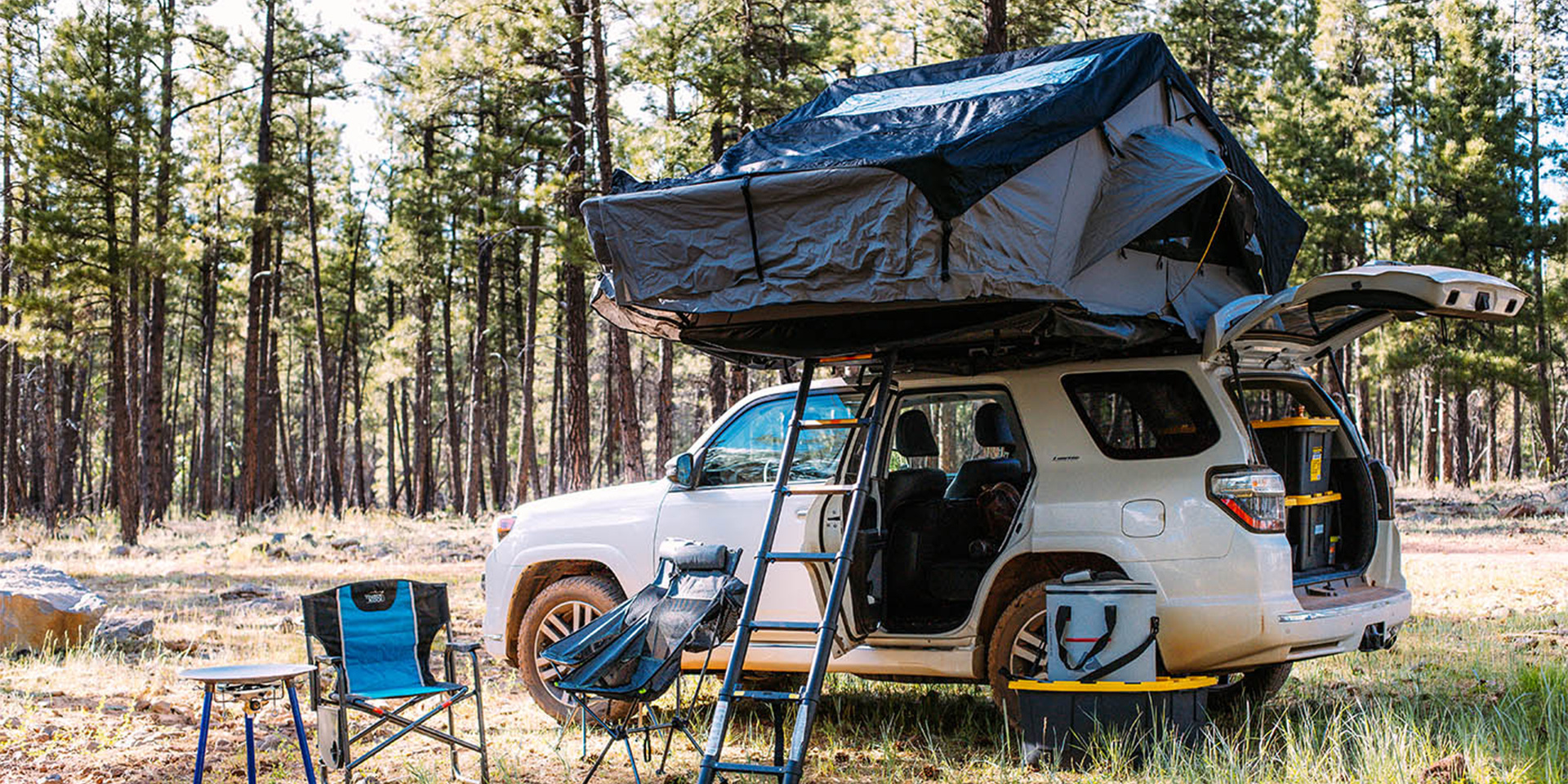
Foldable Car Roof Tent: A Game Changer for Outdoor Enthusiasts
Outdoor enthusiasts are always on the lookout for innovative gear that enhances their adventures. The foldable car roof tent is one such groundbreaking innovation that has transformed the camping experience. This versatile tent offers a perfect blend of convenience, comfort, and practicality, making it an ideal choice for campers, travelers, and adventurers alike. In this article, we will delve into the various aspects of foldable car roof tents, exploring their features, benefits, and how they stand out in the world of outdoor gear.
Table of Contents
- What is a Foldable Car Roof Tent?
- Benefits of Using a Car Roof Tent
- Key Features to Consider When Choosing a Roof Tent
- How to Set Up a Foldable Car Roof Tent
- Best Roof Tents on the Market
- Maintenance Tips for Roof Tents
- Safety Tips for Using a Car Roof Tent
- Conclusion
- FAQs
What is a Foldable Car Roof Tent?
A foldable car roof tent is a camping tent designed to be mounted on the roof of a vehicle. This innovative product allows outdoor enthusiasts to camp comfortably without the hassle of traditional ground setups. With its lightweight, portable design, a roof tent can be easily folded and stored when not in use, making it a practical choice for spontaneous weekend getaways or long road trips. Roof tents are available in various sizes and styles, accommodating different vehicle types and personal preferences.
Benefits of Using a Car Roof Tent
1. Enhanced Comfort and Convenience
One of the significant advantages of using a foldable car roof tent is the comfort it offers. Elevated off the ground, campers can enjoy better ventilation, protection from moisture, and a more comfortable sleeping surface. Additionally, roof tents eliminate the need to set up a conventional tent on uneven or rocky terrain.
2. Quick Setup and Breakdown
Setting up a car roof tent is typically much quicker than assembling a traditional tent. Most roof tents can be set up in just a few minutes, allowing for more time to enjoy the great outdoors. Similarly, breaking down a roof tent is equally easy, making it a time-efficient option for those on the go.
3. Space Efficiency
Roof tents maximize space by allowing campers to use their vehicle’s interior for storage. This efficient use of space is particularly beneficial for families or groups who need to pack extra gear. By utilizing the roof for sleeping arrangements, you can keep your vehicle organized and clutter-free.
4. Increased Safety and Security
Sleeping elevated in a car roof tent provides added protection from wildlife and other potential hazards. This elevated position can deter animals from entering your campsite and keeps you safe from insects. Additionally, you can lock your vehicle doors for enhanced security while you sleep.
Key Features to Consider When Choosing a Roof Tent
1. Size and Capacity
When selecting a roof tent, consider the size and sleeping capacity. Roof tents come in various sizes to accommodate anywhere from one to four people. Ensure the tent you choose fits your vehicle and meets your group’s needs.
2. Materials and Durability
Quality materials are essential for a reliable roof tent. Look for tents made from durable, weather-resistant fabrics that can withstand various outdoor conditions. A sturdy frame and robust zippers also contribute to the tent’s longevity.
3. Insulation and Weather Protection
Consider insulation features, especially if you plan to camp in colder climates. A well-insulated roof tent will keep you warm during chilly nights. Additionally, ensure the tent is waterproof or comes with a rainfly to protect against unexpected rain.
4. Accessibility
Check the accessibility features of the tent, such as ladder type and entry points. A tent with a sturdy ladder is crucial for safety, while multiple doors can enhance convenience when entering and exiting the tent.
5. Weight and Aerodynamics
Weight is an important factor, especially for those who frequently travel. Lightweight tents are easier to install and remove, reducing strain on your vehicle. Also, consider the tent’s aerodynamics, as a bulky tent can impact fuel efficiency during travel.
How to Set Up a Foldable Car Roof Tent
Setting up a foldable car roof tent is a straightforward process that can typically be completed in just a few steps:
1. Prepare Your Vehicle
Ensure your vehicle is parked on a flat surface and is securely positioned. Check that the roof rack is correctly installed and can support the weight of the tent.
2. Unfold the Tent
Carefully remove the tent from its storage bag and unfold it according to the manufacturer's instructions. Most roof tents have a specific unfolding mechanism that can be easily operated.
3. Attach the Tent to the Roof Rack
Secure the tent to your vehicle’s roof rack using the provided straps or clamps. Ensure that the tent is tightly secured to prevent any movement during use.
4. Extend the Ladder
Once the tent is secured, extend the ladder for easy access. Make sure the ladder is stable and positioned securely against the tent.
5. Set Up Interior Gear
Once inside the tent, arrange your sleeping bags, mats, and other gear for a comfortable night’s sleep. Make sure to zip up any openings to keep bugs and moisture out.
Best Roof Tents on the Market
Several roof tents have gained popularity due to their quality, features, and user satisfaction. Here are a few top contenders:
1. Tepui Autana 3
The Tepui Autana 3 is recognized for its spacious interior and durable construction. It comes equipped with a built-in annex for added storage space and features high-quality weather-resistant materials.
2. iKamper Skycamp 2.0
The iKamper Skycamp 2.0 is loved for its innovative design and quick setup. It can accommodate up to four people and features a hard-shell design that offers superior insulation and durability.
3. Roofnest Sparrow
The Roofnest Sparrow is compact yet spacious, making it an excellent choice for minimalist campers. Its aerodynamic design improves fuel efficiency, and it can be set up in under a minute.
4. Smittybilt Overlander
The Smittybilt Overlander is a budget-friendly option that doesn’t compromise on features. It includes a mattress, a rainfly, and a ladder, making it a great entry-level roof tent.
5. Yakima SkyRise
The Yakima SkyRise is known for its ease of use and lightweight design. It’s available in multiple sizes, accommodating various vehicle types and camping needs.
Maintenance Tips for Roof Tents
Proper maintenance ensures the longevity of your roof tent. Here are some tips to keep your tent in excellent condition:
1. Clean Regularly
After each use, clean your tent to remove dirt, debris, and moisture. Use a soft brush and mild soap to prevent damage to the fabric.
2. Dry Before Storing
Always dry your tent thoroughly before storing it to prevent mold and mildew growth. Set it up or hang it out to dry in a well-ventilated area.
3. Check for Damage
Regularly inspect your tent for tears, frayed seams, or damaged zippers. Address any issues promptly to prevent further damage.
4. Store Properly
Store your tent in a cool, dry place away from direct sunlight to prevent UV damage. Consider using a storage bag to protect it from dust and dirt.
5. Follow Manufacturer’s Instructions
Always refer to the manufacturer’s maintenance guidelines for specific care instructions tailored to your tent model.
Safety Tips for Using a Car Roof Tent
To ensure a safe camping experience with a roof tent, consider the following safety tips:
1. Ensure Proper Installation
Make sure the tent is securely attached to your vehicle's roof rack. Double-check all straps and clamps before use to prevent accidents.
2. Check Weather Conditions
Always monitor weather conditions before heading out. Avoid camping in severe weather or high winds, which can pose safety risks.
3. Use the Ladder Safely
Exercise caution when using the ladder to enter or exit the tent. Ensure the ladder is stable and positioned correctly before climbing.
4. Lock Your Vehicle
For added security, always lock your vehicle doors when inside the tent. This precaution will protect your belongings and enhance safety during the night.
5. Follow Local Camping Regulations
Familiarize yourself with the regulations of the area where you’re camping. Adhering to local laws ensures a safe and enjoyable experience.
Conclusion
The foldable car roof tent is undeniably a game changer for outdoor enthusiasts, offering a unique combination of comfort, convenience, and safety. With the right tent, adventurers can experience the great outdoors in a way that traditional camping simply cannot match. Whether you're a seasoned camper or just starting your outdoor journey, investing in a foldable car roof tent can elevate your camping experience to new heights. Embrace this innovative solution for your next adventure, and enjoy the freedom and flexibility that comes with it.
FAQs
1. How much weight can a roof tent support?
The weight capacity of a roof tent varies by model. Most can support between 400 to 800 pounds, including the weight of occupants and gear. Always check the manufacturer’s specifications before use.
2. Can I use a roof tent on any vehicle?
Not all vehicles are suitable for roof tents. Ensure your vehicle has a compatible roof rack that can handle the tent's weight and dimensions.
3. Are roof tents waterproof?
Most roof tents come with waterproof materials and a rainfly to protect against rain and moisture. However, it’s essential to check the product specifications for detailed weather resistance features.
4. How do I clean my roof tent?
Use a soft brush and mild soap to clean the tent fabric. Ensure it’s thoroughly dry before storing it to prevent mold and mildew.
5. What is the average setup time for a roof tent?
On average, setting up a roof tent takes between 5 to 10 minutes, depending on the model and user experience.

Contact Us
E-mail :
wyweier99@vip.163.com
Tel:
+86-579-87725103
Address:
Jinyanshan Industrial Area,Quanxi Town,Wuyi, China

Specializing in the design, production of camping equipmensuch as car roof tent, car awning tent, car roof rack and box.
Contact information


